baby size by week
How big is your baby this week?
A fruit comparison, length and weight for every week from 1 to 40 — the same sizes Elara shows in the app.
Updated · Sources
| Week | About the size of | Length | Weight |
|---|---|---|---|
| Week 1 | Not yet conceived (weeks are counted from your last period) | — | — |
| Week 2 | Not yet conceived (weeks are counted from your last period) | — | — |
| Week 3 |  Sugar Sugar | 0.6 mm | < 1 g |
| Week 4 | 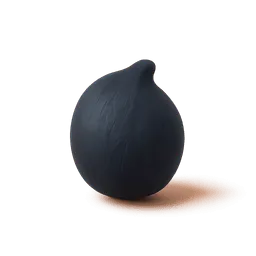 Poppy seed Poppy seed | 1 mm | < 1 g |
| Week 5 | 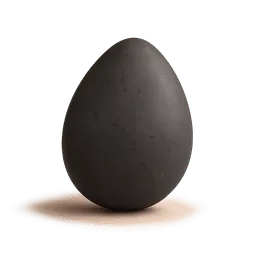 Chia seed Chia seed | 2 mm | < 1 g |
| Week 6 | 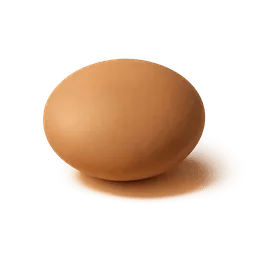 Lentil Lentil | 4 mm | < 1 g |
| Week 7 | 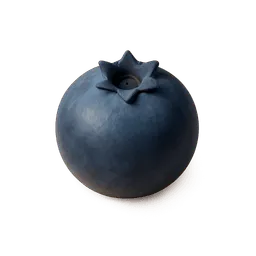 Blueberry Blueberry | 1.0 cm · 0.4 in | < 1 g |
| Week 8 | 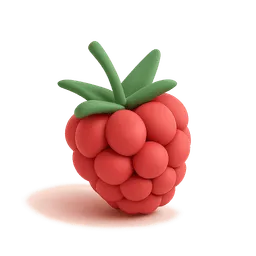 Raspberry Raspberry | 1.6 cm · 0.6 in | 1 g · 0.0 oz |
| Week 9 | 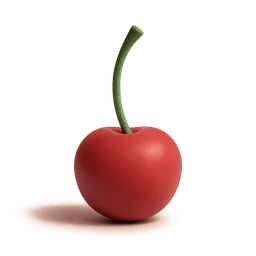 Cherry Cherry | 2.3 cm · 0.9 in | 2 g · 0.1 oz |
| Week 10 | 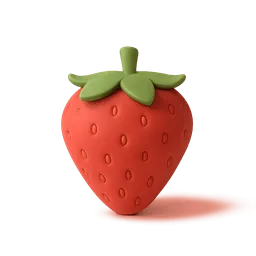 Strawberry Strawberry | 3.1 cm · 1.2 in | 4 g · 0.1 oz |
| Week 11 | 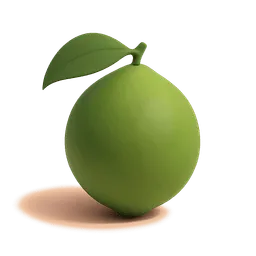 Lime Lime | 4.1 cm · 1.6 in | 7 g · 0.2 oz |
| Week 12 | 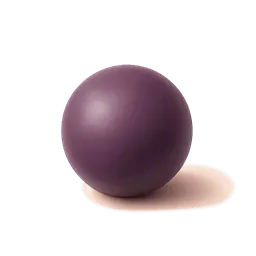 Passionfruit Passionfruit | 5.4 cm · 2.1 in | 14 g · 0.5 oz |
| Week 13 | 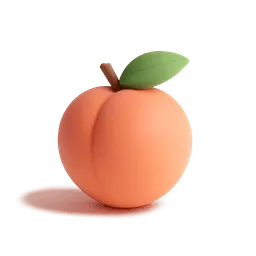 Peach Peach | 7.4 cm · 2.9 in | 23 g · 0.8 oz |
| Week 14 |  Lemon Lemon | 8.7 cm · 3.4 in | 43 g · 1.5 oz |
| Week 15 | 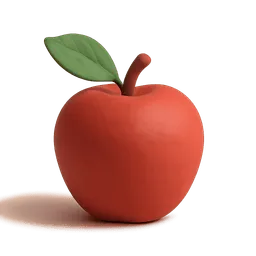 Apple Apple | 10.1 cm · 4.0 in | 70 g · 2.5 oz |
| Week 16 | 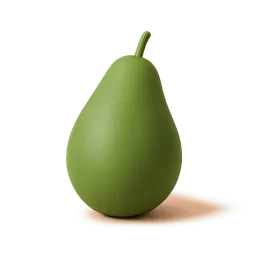 Avocado Avocado | 11.6 cm · 4.6 in | 100 g · 3.5 oz |
| Week 17 | 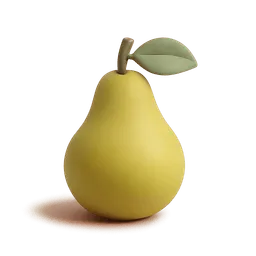 Pear Pear | 13.0 cm · 5.1 in | 140 g · 4.9 oz |
| Week 18 | 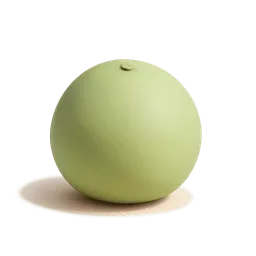 Small pomelo Small pomelo | 14.2 cm · 5.6 in | 190 g · 6.7 oz |
| Week 19 | 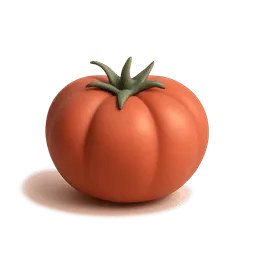 Tomato Tomato | 15.3 cm · 6.0 in | 240 g · 8.5 oz |
| Week 20 | 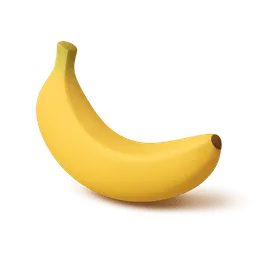 Banana Banana | 16.4 cm · 6.5 in | 300 g · 10.6 oz |
| Week 21 |  Carrot Carrot | 26.7 cm · 10.5 in | 360 g · 12.7 oz |
| Week 22 | 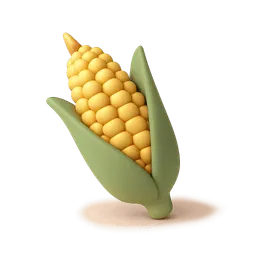 Ear of corn Ear of corn | 27.8 cm · 10.9 in | 430 g · 15.2 oz |
| Week 23 | 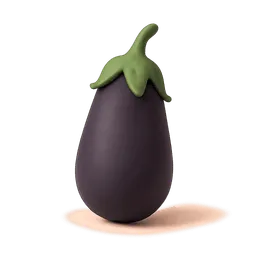 Eggplant Eggplant | 28.9 cm · 11.4 in | 500 g · 1.1 lb |
| Week 24 | 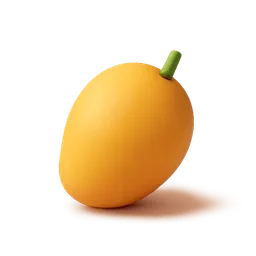 Mango Mango | 30.0 cm · 11.8 in | 600 g · 1.3 lb |
| Week 25 |  Rutabaga Rutabaga | 34.6 cm · 13.6 in | 660 g · 1.5 lb |
| Week 26 | 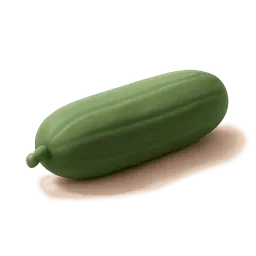 Cucumber Cucumber | 35.6 cm · 14.0 in | 760 g · 1.7 lb |
| Week 27 | 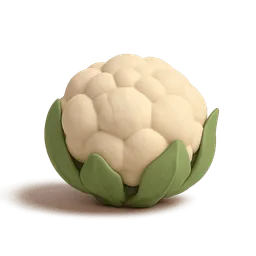 Cauliflower Cauliflower | 36.6 cm · 14.4 in | 870 g · 1.9 lb |
| Week 28 | 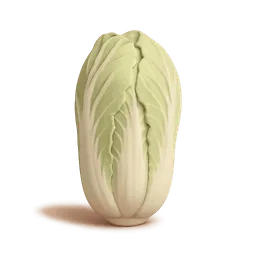 Napa cabbage Napa cabbage | 37.6 cm · 14.8 in | 1.00 kg · 2.2 lb |
| Week 29 | 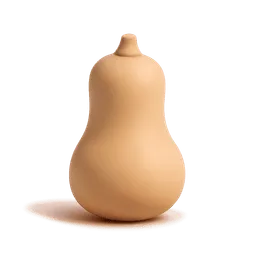 Butternut squash Butternut squash | 38.6 cm · 15.2 in | 1.15 kg · 2.5 lb |
| Week 30 | 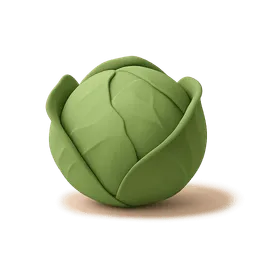 Cabbage Cabbage | 39.9 cm · 15.7 in | 1.32 kg · 2.9 lb |
| Week 31 | 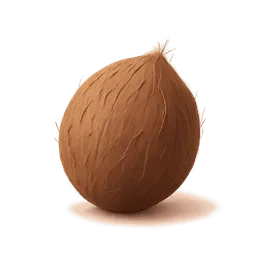 Coconut Coconut | 41.1 cm · 16.2 in | 1.50 kg · 3.3 lb |
| Week 32 | 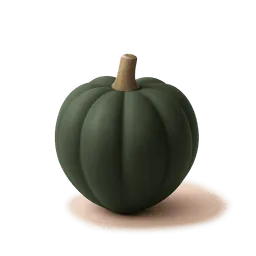 Acorn squash Acorn squash | 42.4 cm · 16.7 in | 1.70 kg · 3.7 lb |
| Week 33 |  Pineapple Pineapple | 43.7 cm · 17.2 in | 1.92 kg · 4.2 lb |
| Week 34 | 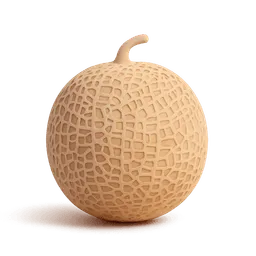 Cantaloupe Cantaloupe | 45.0 cm · 17.7 in | 2.15 kg · 4.7 lb |
| Week 35 | 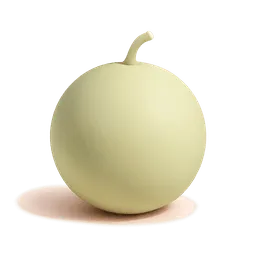 Honeydew melon Honeydew melon | 46.2 cm · 18.2 in | 2.40 kg · 5.3 lb |
| Week 36 | 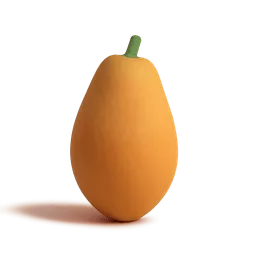 Papaya Papaya | 47.4 cm · 18.7 in | 2.62 kg · 5.8 lb |
| Week 37 | 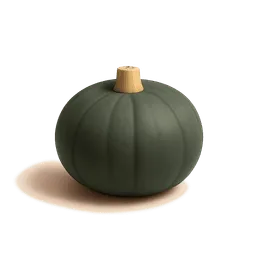 Kabocha squash Kabocha squash | 48.6 cm · 19.1 in | 2.86 kg · 6.3 lb |
| Week 38 | 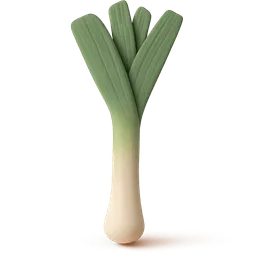 Leek Leek | 49.8 cm · 19.6 in | 3.08 kg · 6.8 lb |
| Week 39 | 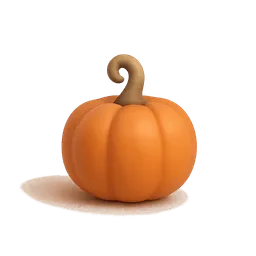 Pumpkin Pumpkin | 50.7 cm · 20.0 in | 3.29 kg · 7.3 lb |
| Week 40 |  Watermelon Watermelon | 51.2 cm · 20.2 in | 3.46 kg · 7.6 lb |
Length is crown to rump (head to bottom) up to week 20 and crown to heel (head to toe) from week 21. Figures are rounded averages used in the Elara app; they are not a growth standard for your baby.
How to read this chart
Pregnancy is counted from the first day of your last period, so in weeks 1 and 2 there is no baby yet — conception usually happens around the end of week 2. In weeks 3 to 5 the embryo is smaller than a grain of rice. From about week 8 your baby has a recognisable shape, and from the second trimester onward most of the change is growth: the length grows from under 10 cm to around 50 cm, and the weight rises from tens of grams to around three and a half kilograms.
Fruit comparisons are only a picture to help you imagine the size. Different lists pick different fruit, and the same fruit varies a lot in real life, so do not worry if another app says “lemon” where we say “passion fruit”.
How your baby is measured on a scan
In the first trimester, an ultrasound measures the crown–rump length, which is also the most accurate way to confirm how many weeks pregnant you are. Later scans estimate size from several measurements, such as head circumference, abdominal circumference and thigh bone (femur) length, and combine them into an estimated weight. Those estimates can be off by a noticeable margin, especially late in pregnancy, which is why your care team looks at the trend across visits rather than one number.
If you are told your baby is measuring large or small, ask what that means for your care. Often the answer is simply more monitoring.
Size milestones by trimester
- First trimester (weeks 1–13): from a cluster of cells to about 7 cm; all major organs start forming.
- Second trimester (weeks 14–27): from about 9 cm to over 35 cm head to heel; movements usually become noticeable.
- Third trimester (weeks 28–40): weight more than triples as fat builds up and the lungs and brain mature.
For details on each stage, open your week in the week-by-week guide, or check which month your week falls in.
Common questions
How big is my baby at 12 weeks?
At 12 weeks the baby is about 5.4 cm long from crown to rump — roughly the size of a passionfruit — and weighs about 14 g.
How big is my baby at 20 weeks?
At 20 weeks the baby is about 16.4 cm from crown to rump (about the length of a banana) and weighs around 300 g. From week 21 measurements are usually given head to heel, which is why the length jumps.
How big is my baby at 30 weeks?
Around 30 weeks the baby is about 39.9 cm long from head to heel and weighs roughly 1.32 kg.
Why does the length jump between week 20 and week 21?
Until about 20 weeks, babies are measured from the top of the head to the bottom (crown–rump length) because the legs are curled up. After that, charts usually give crown–heel length, the full length including the legs.
My scan says my baby is bigger or smaller than this — is that a problem?
These are average figures. Healthy babies vary, and ultrasound estimates of weight have a margin of error. Your midwife or doctor tracks your baby’s growth over time and will explain what your own measurements mean.
See it in the Elara app
Elara shows this week’s fruit, length and weight next to an animated baby illustration and counts down to your due date. With partner mode, your partner sees the same week and baby size on their own iPhone. How partner mode works →
Sources & editorial process
- ACOG — How your fetus grows during pregnancy
- NHS — Week-by-week guide to pregnancy
- NHS — 12-week scan
- ACOG — Ultrasound exams
Written by the Elara editorial team from the sources above. This page has not been reviewed by an independent clinician. Read how we write and update health pages. Last updated .
Medical disclaimer: this page is general education, not medical advice, diagnosis or treatment. If you are worried about yourself or your baby, contact your midwife, doctor or maternity unit straight away. In an emergency call your local emergency number.